

5 Common Fire Code Misconceptions — And What the Code Actually Says
Fire Code compliance is often misunderstood, and those misconceptions can lead to costly mistakes, safety risks, and regulatory issues. From outdated Fire Safety Plans to assumptions about building permits and Alternative Solutions, this blog breaks down five of the most common Fire Code myths and explains what building owners, developers, and property managers need to know.

What Building Safety Month Means for Your Next Project
Building Safety Month is a reminder that safe, compliant buildings don’t happen by accident. From fire protection systems to code compliance and life safety planning, every detail plays a role in protecting the people who live and work inside. Learn why building safety matters, who’s behind it, and the questions every building owner and project team should be asking.

Fire Safety Training: Turning Plans into Action
Safety is a team effort. Fire safety training ensures that every building occupant is empowered to act decisively, keeping themselves, their colleagues, and your building safe.

Earth Day: Building a More Sustainable Future
Today is Earth Day! At CodeNext we’re dedicated to leading and building a more sustainable future for us all.
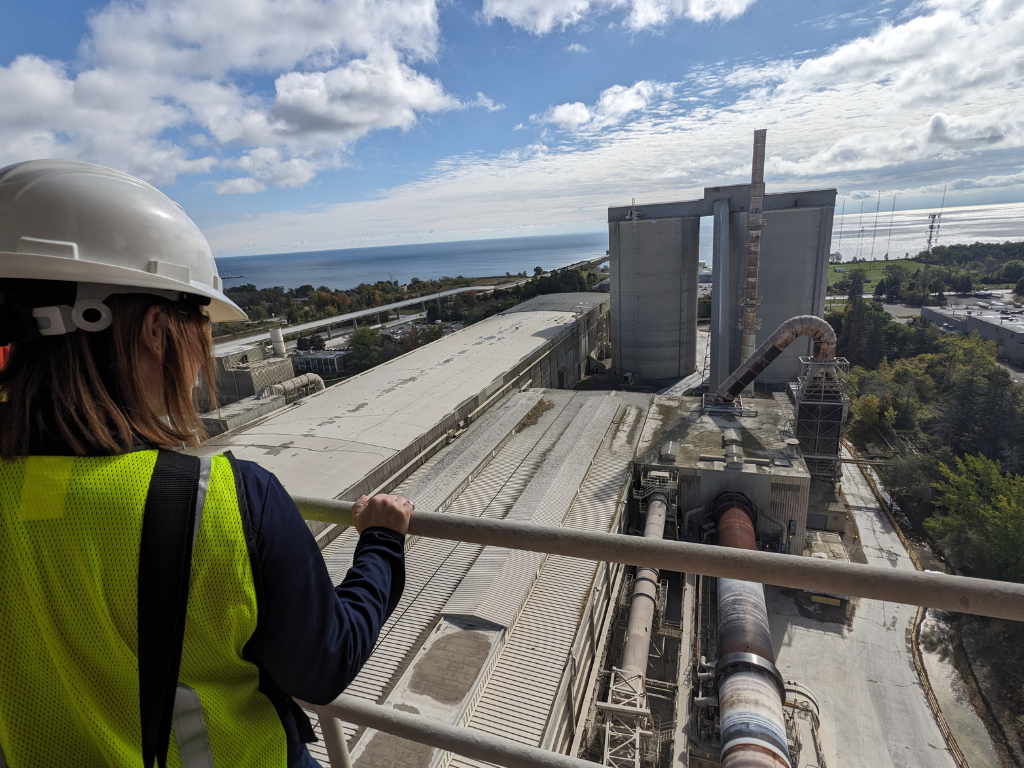
Celebrating National Engineering Month at CodeNext
March is National Engineering Month — a time to celebrate the thinkers, problem-solvers, and innovators who shape the world around us.

CodeNext is now in Alberta!
We’re excited to continue serving clients across Canada with the expansion of our Alberta location. This growth strengthens our ability to support projects in Western Canada while maintaining our commitment to delivering practical, high-quality Building Code and Fire Code solutions nationwide.
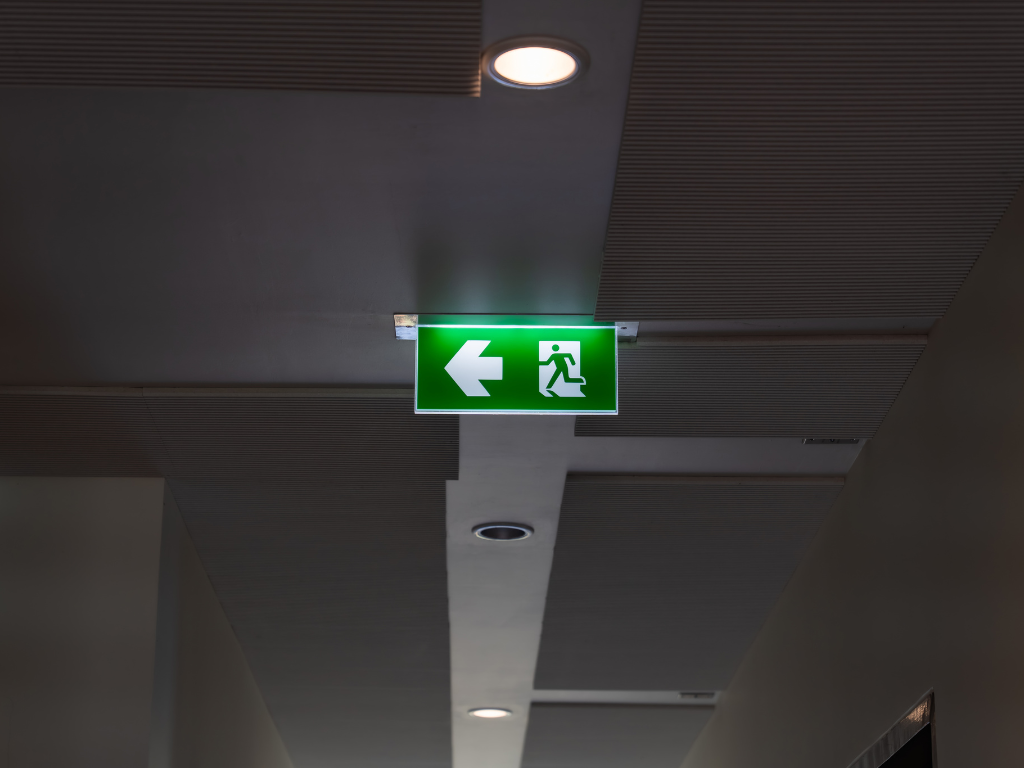
The Role of Emergency Lighting in Safe Building Evacuations
Emergency lighting is a critical component of fire and life safety in buildings. This essential safety system ensures that when normal power fails, occupants can see clearly and evacuate safely, reducing risk during emergencies.
New Year, New Requirements: What the 2026 Ontario Fire Code Changes Mean for You
As of January 1, 2026, several updates to the Ontario Fire Code officially came into effect. These changes introduce revised inspection formats, stricter documentation requirements, expanded testing procedures, and enhanced safety standards that impact nearly every building across the province.

Reflecting on 2025, Excited for 2026
As we get ready to step into 2026, we’re taking a moment to celebrate everything that made 2025 such a memorable year for CodeNext. It was a year full of growth, new opportunities, and the continued trust of our clients and partners.
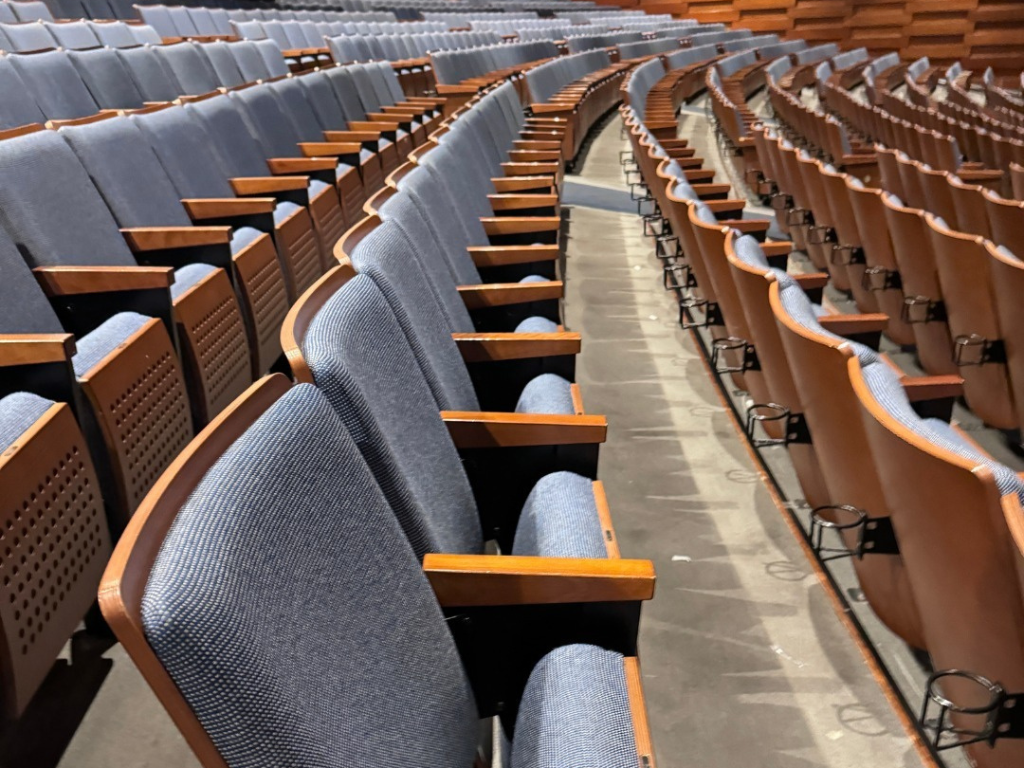
Safe by Design: Why Seating Layouts Are Regulated in Public Spaces
Heading to the theatre this holiday season? Take a moment to notice how the seating is arranged. While it may seem simple, seating layouts play an important role in keeping people safe.
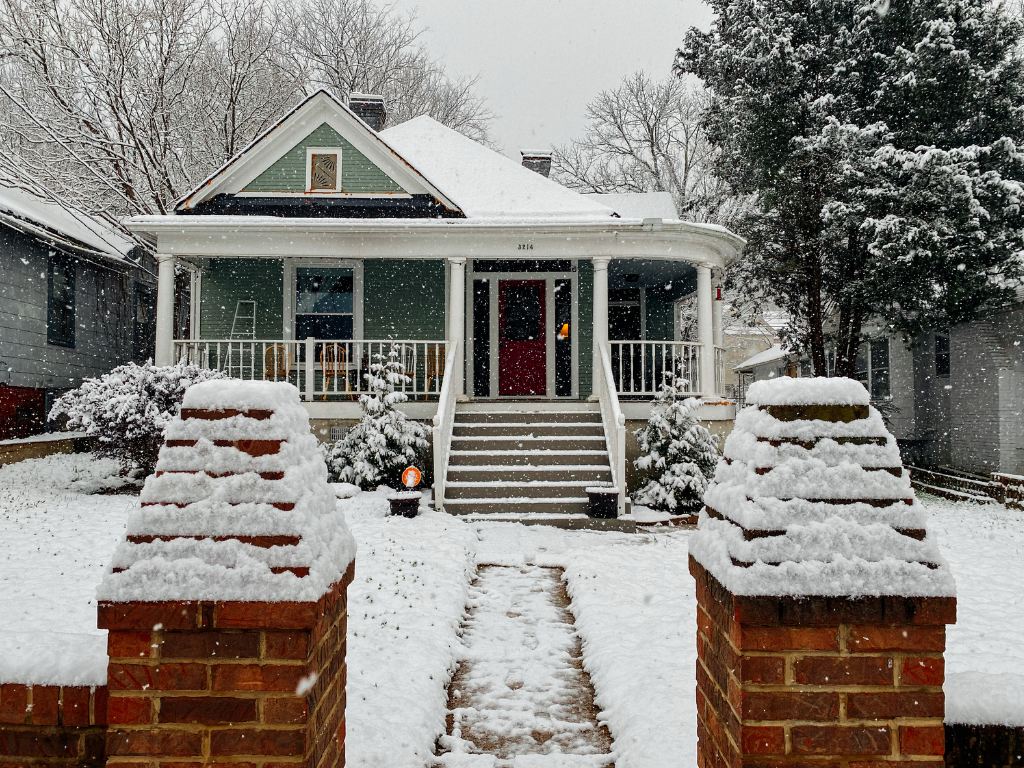
Protecting Your Home and Family From Seasonal Risks
As winter approaches, the season brings cozy moments indoors, but also new risks for your home, your loved ones, and your property. In fact, half of all home fires occur in December, January, and February (NFPA). Heating systems are running more often, decorations are up, and homes are sealed tight against the cold. Being aware of these hazards and taking simple precautions can go a long way in keeping everyone safe.
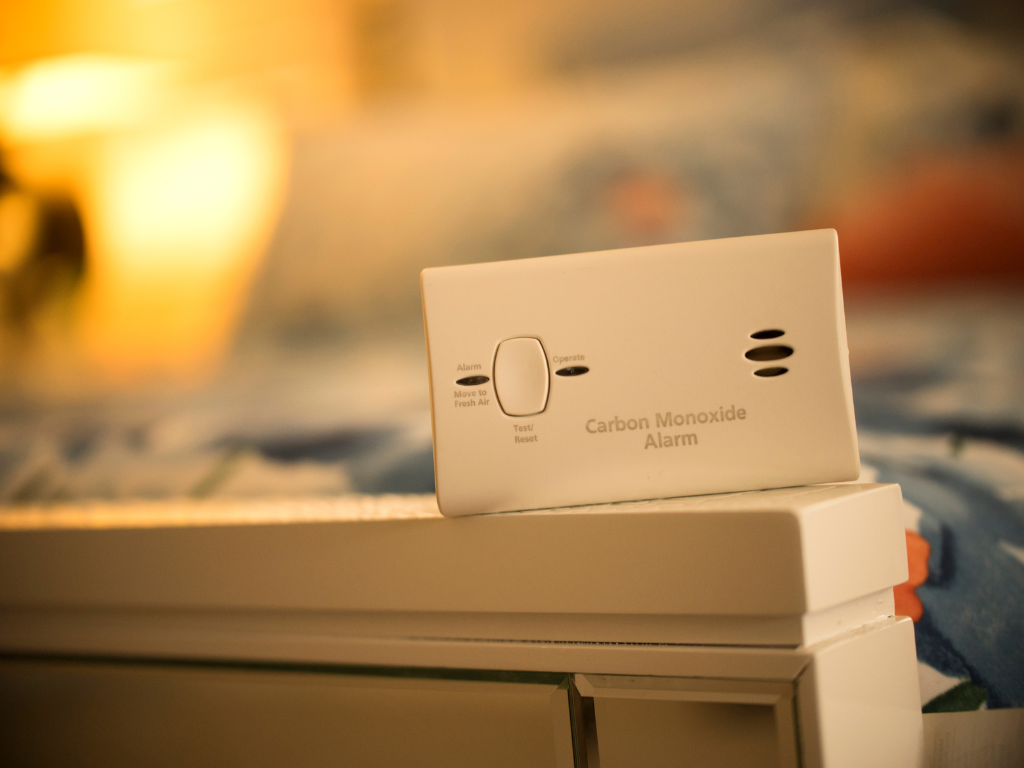
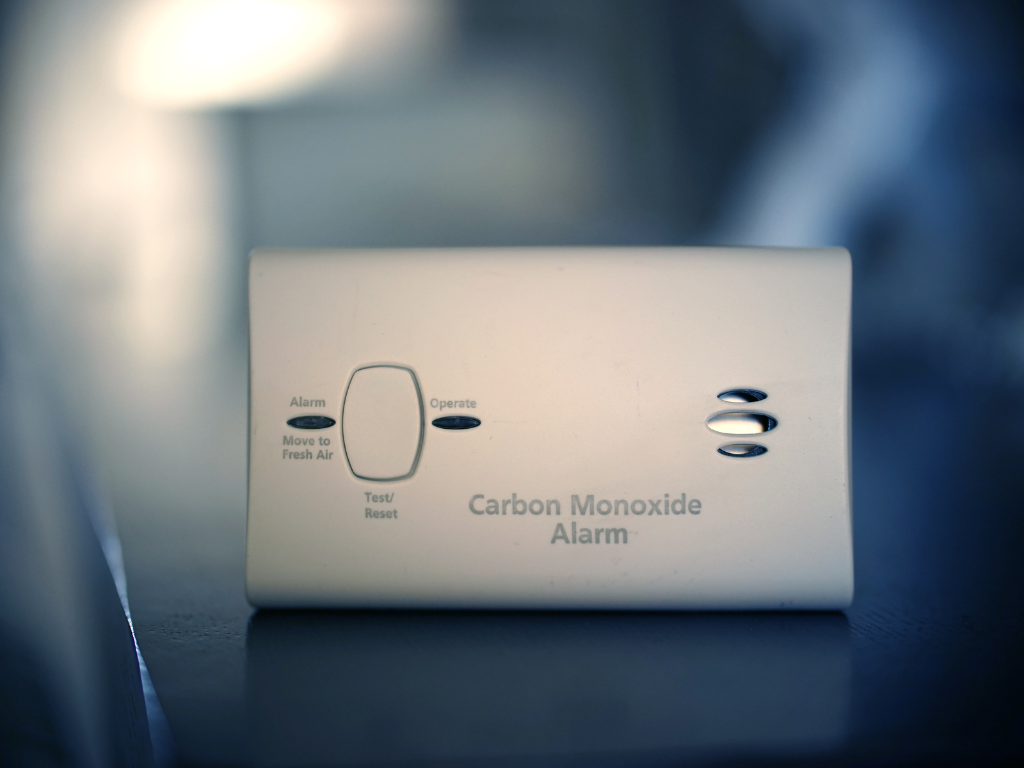
Reducing The Risks of Carbon Monoxide Buildup This Winter
The risk of carbon monoxide poisoning is significantly heightened in the winter months, not only because homes are sealed tightly to retain heat, but also due to the increased, long-term use of central heating systems, the potential for blocked vents and flues, and the unsafe operation of auxiliary heating sources and generators during severe weather.
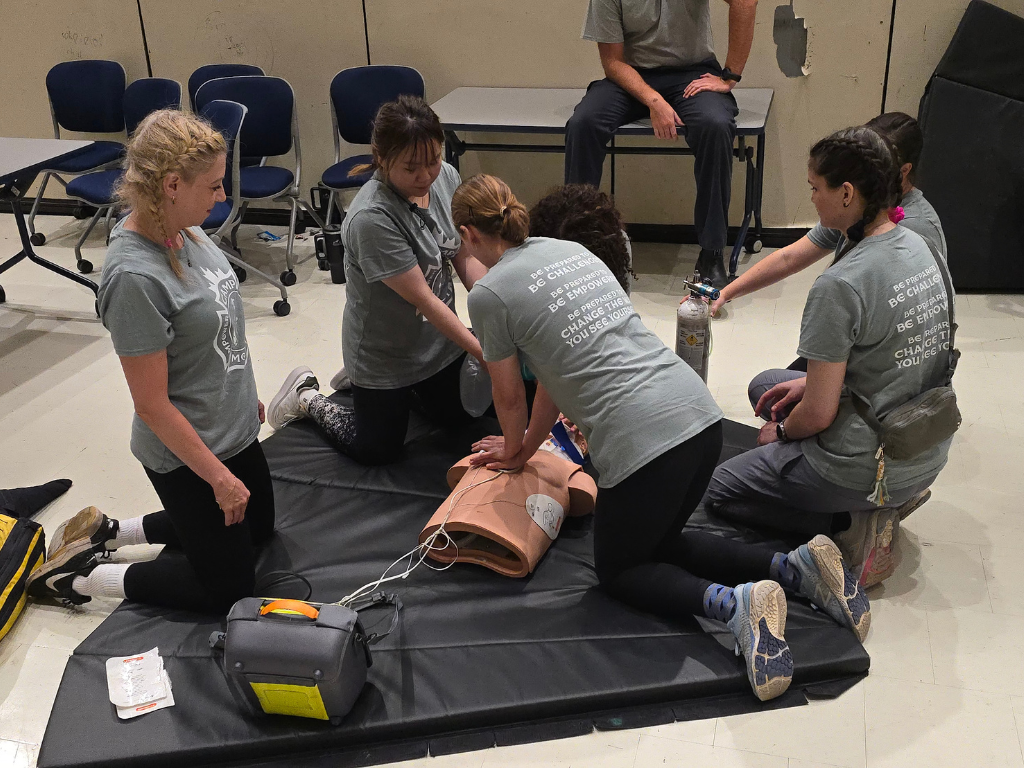
CodeNext at Camp Molly
The Camp Molly experience reminded us that growth doesn’t just happen in the office. For four days, our CodeNext women learned, sweated, and pushed beyond limits, all while building incredible friendships and memories.
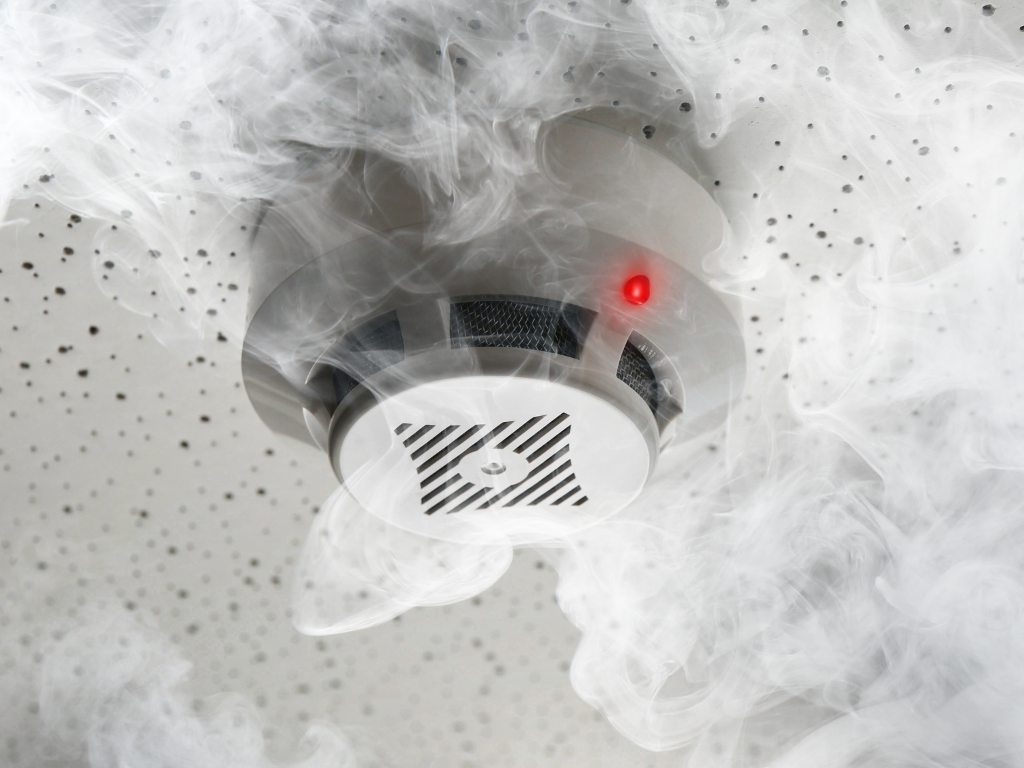
Fire Prevention Week 2025: Prioritizing Safety as the Seasons Change (October 5-11)
This week (October 5-11) is Fire Prevention Week! It’s the perfect time to reflect on the critical role fire safety plays in our homes, workplaces, and communities.

Integrated Systems Testing: Why Every Building Project Needs a Final Check
Integrated Systems Testing (IST) is a critical step in making sure life and fire safety systems effectively work together when it matters most. At CodeNext, we’re proud to be licensed as a ULC Level 4 IST provider, giving us the ability to deliver end-to-end testing services across Canada.

September is National Preparedness Month!
September marks National Preparedness Month, a reminder of the importance of being ready for the unexpected. Emergencies can happen at any time, and having a clear plan in place is crucial for protecting both people and property.

Meet Your Integrated Testing Coordinators!
Meet Your Integrated Testing Coordinators - Bailey and Luc!

CodeNext Now Offers Integrated Systems Testing!
IST ensures systems like fire alarms, sprinklers, and emergency power not only work individually but integrate as intended to protect lives and property. The testing process follows the guidelines set out in ULC-S1001, the national standard for integrated systems testing.
As a ULC Level 4 certified provider, CodeNext is uniquely equipped to deliver comprehensive testing of integrated fire and life safety systems across Canada.

Toronto’s New Permit Changes: What It Means for You
The City of Toronto has announced new initiatives to reduce design costs and speed up building permit approvals, including pre-approved building plans, expanded online applications, and broader reliance on professional engineers' seals.

Canada Day Fire Safety: Celebrate Safely This Summer
As Canada Day approaches and summer activities kick into high gear, it’s the perfect time to review essential fire safety practices. Whether you're planning a backyard BBQ, enjoying fireworks, or heading out for a camping trip, staying vigilant is key to a safe and enjoyable season.